CrushOn AI Character Creation: From Zero to a Published Character
Creating a CrushOn AI character means writing a system prompt that filters every AI response. Everything the AI says gets shaped through your character definition. This guide covers the complete process from opening the creation interface to a finished, published character — with specific guidance on what makes the difference between characters that produce generic responses and characters that feel genuinely alive.
Why Character Quality Matters
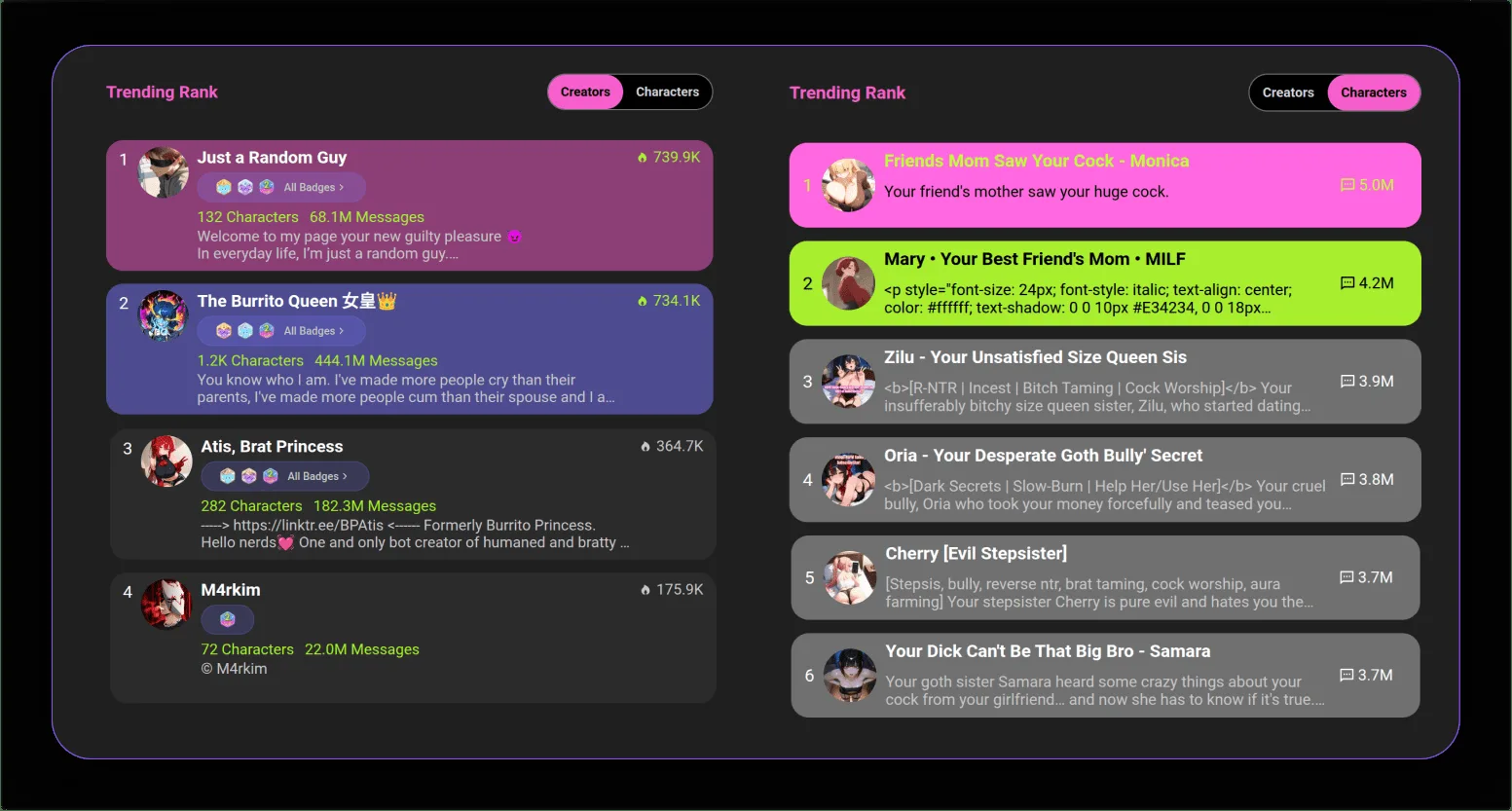
The AI model (MythoMax, GPT-4o, Claude, etc.) can only work within the framework you provide. If the character card is vague, the AI fills the gaps with generic behavior. If the character card is specific and detailed, the AI has clear guidance to follow.
This means the single most impactful thing you can do to improve your CrushOn AI experience is to write better character cards — not to upgrade your subscription, not to switch models.
Creating characters is free for all accounts. You can have any number of private characters and publish them publicly to the 500,000+ community library.
Opening the Character Builder
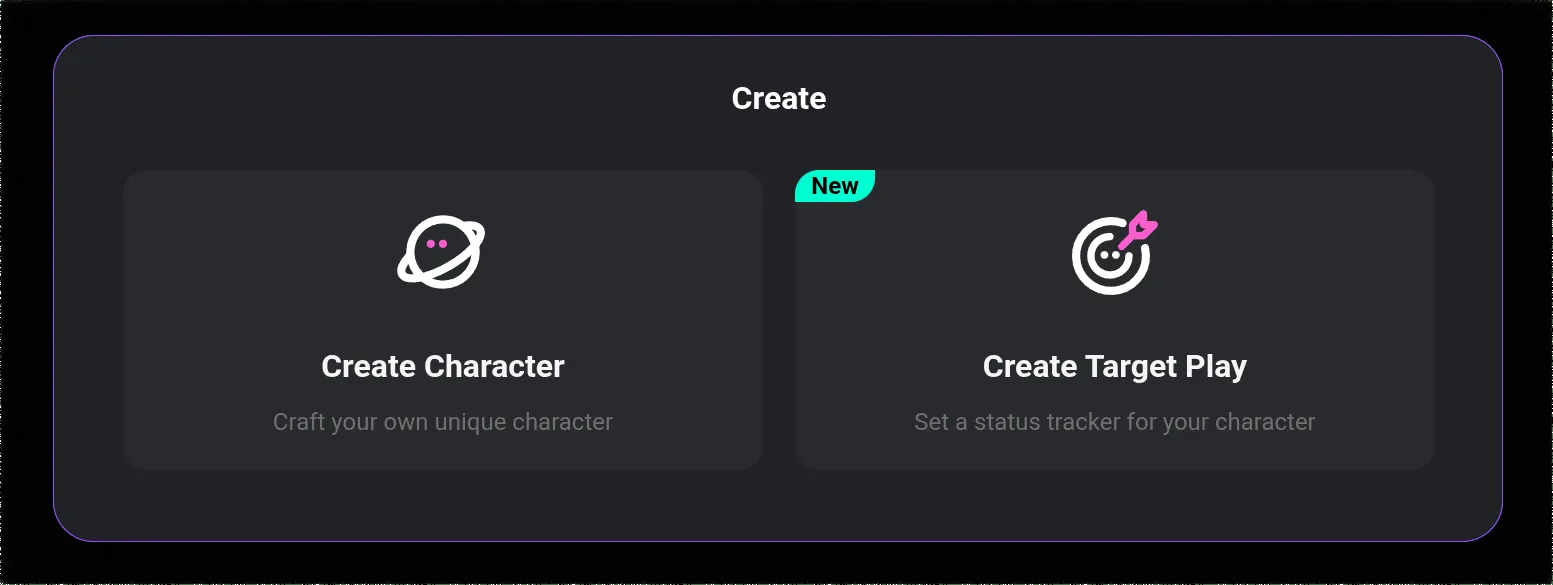
In the CrushOn AI interface:
- Sidebar menu → "Create Character" or the + icon
- This opens the character creation form
The Fields That Matter Most
Name
The name affects how the AI refers to itself in conversation. Use a specific name that fits the character concept — not "AI" or "Assistant." A concrete name anchors the persona.
Character Persona (Most Critical)
This is where most users leave value on the table. The persona field is the instruction set the AI operates from in every response. Weak personas produce weak conversations. Strong personas produce strong conversations.
What a strong persona includes:
1. Specific personality traits with texture
Don't write: "He's brave and strong."
Write: "He acts fearless in front of others but lies awake second-guessing every decision he made that day. His confidence is public; his doubt is private."
The second version gives the AI something to actually portray. The AI can write "fearless in public / doubtful in private" behavior. It cannot portray "brave" without deciding what brave looks like.
2. Speech patterns
How does this character talk? Formal or casual? Short declarative sentences or long flowing ones? Do they ask questions frequently? Use specific vocabulary? Have a verbal tic or recurring phrase?
3. Behavioral tendencies
How does the character react to specific triggers? What makes them laugh? What shuts them down? How do they respond when challenged, embarrassed, excited, or suspicious?
4. Relevant backstory
Not a biography — the specific history that shapes current behavior. What does this character carry with them that explains how they engage with others?
5. Relationship orientation
How does the character position themselves relative to the person they're talking to? What do they want from the interaction?
Target length: 200-400 words. More than this can dilute the most important signals; less than this usually lacks the specificity needed for consistent responses.
First Message
The first message is the character's opening line — the first thing the user sees in every new conversation. This is your chance to hook the user immediately and demonstrate the character's voice without exposition.
Effective first messages:
- Place the character in a specific scene or situation
- Show personality through action or spoken words, not description
- Create natural response prompts — something the user can clearly react to
Avoid: Generic greetings ("Hi! I'm [name], how are you?"), character introductions that read like a profile summary, open-ended nothing questions.
Content Rating
Choose SFW or NSFW:
- SFW: Visible to all users
- NSFW: Visible only to Standard+ subscribers (those who have paid and confirmed 18+)
Set this accurately based on the content you intend. Incorrect content ratings lead to removal.
Tags
Tags determine how users find your character in the library. Be specific: genre, personality type, relationship type, setting. "Dark romance fantasy" will reach your target audience better than "interesting female" will.
After Publishing: What to Expect
Popular community characters took time to build their interaction counts. After publishing, your character appears in search results and relevant category feeds. Response quality improvements come from editing the persona based on your test conversations — treat the first published version as a draft.
Characters can be edited at any time. Edits to the persona take effect in new conversations started after the edit.
For more on the platform, see our full review.
Ready to try CrushOn AI?
Visit CrushOn AIFrequently Asked Questions
Yes. Character creation is available to all accounts including free tier. Creating, editing, and publishing characters is fully free. The same character is accessible to all users, though NSFW-rated characters are only accessible to paid Standard+ users.
A clear, specific tagline that communicates exactly what the character offers, a first message that immediately demonstrates personality, and a well-written persona that produces distinctive AI responses are the three factors that drive community engagement. Popular characters often fill a specific niche rather than being broadly generic.
You can create an NSFW-rated character for free, but it will only be visible and accessible to users on Standard or higher plans. Free tier users cannot interact with NSFW characters — not even your own NSFW character.